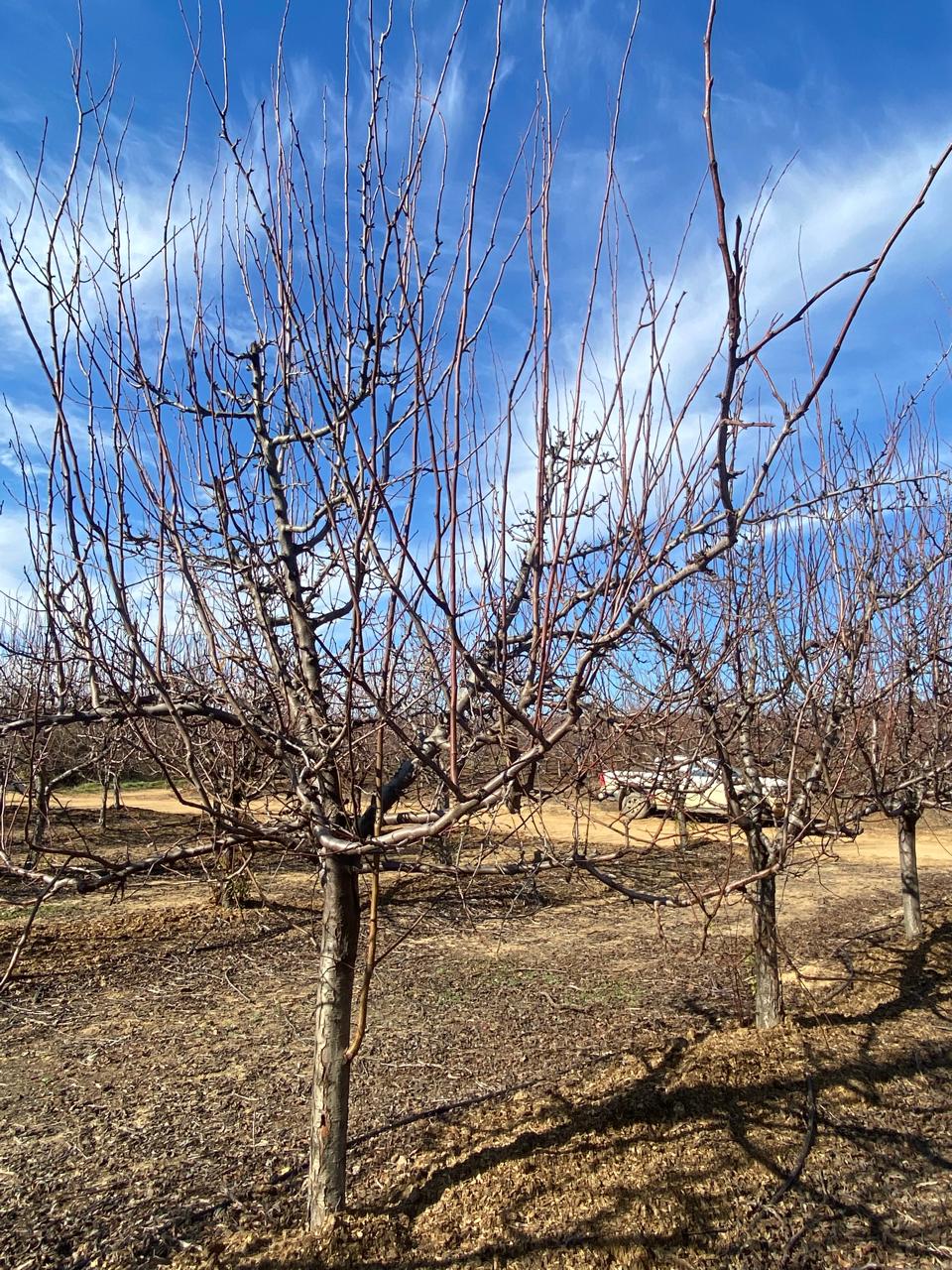
During an interview with Óscar Astorga, member of Chilerunes Committee and general administrator of Superfruit the expert analyzes the current state of the plum orchards in a key moment for the new season that is just starting its cycle. He also addresses the opportunities and challenges of the sector.
While the plum orchards in the country are starting their traditional pruning season, a task that takes about three months, important conversations are taken place regarding what the 2025-2026 season will be.
Astorga, who is the leader in managing a 540 hectare farm, advances that this winter will be marked by big issues: monitoring the cold hours and the growing interest in the use of hydrogenated cyanamide and a change in the working dynamic with the arrival of contractors coming from the cherry sector.
“Often times the winter is not appreciated as it should, but the experience from two seasons back has shown us how important it can be”, says Astorga remembering the low number of cold hours during the 2022-2023 season which meant uneven budding and flowering affecting the fruit quality and its conversion.
Nowadays, the record of cold hours is below what was observed last year which has increased the interest in tools as the hydrogenated cyanamide. This product, very used in fruticulture, helps breaking the dormancy and induces a more even and controlled budding.
“Two weeks ago, nobody was talking about hydrogenated cyanamide, but today everybody is asking about its use and concentration. It is a useful tool when more hours of cold are needed because it improves the physiological response of the plant”, he explains. Despite its use is concentrated during the first and second week of July, several producers have started to acquire it even tough the winter starts official on June the 20th.
The winter season also considers the application of herbicides in active soil and preventive treatments for wood illnesses; each orchard organizes these tasks according to its productive strategy.